For employers exploring recruitment with Thanh Giang, preparation is a useful part of the conversation from the beginning. The aim is to connect what people learn before departure with what they will encounter at work.
Build preparation around real tasks
Start with the activities that matter most in the role. A preparation plan should identify the skills people already have and the areas that need further practice.
For a warehouse role, an employer might want candidates to become familiar with location labels and the sequence of a picking task. For a production role, the discussion could focus on following a work instruction and reporting an unexpected result.
These examples help turn a broad request for “job readiness” into a practical plan.
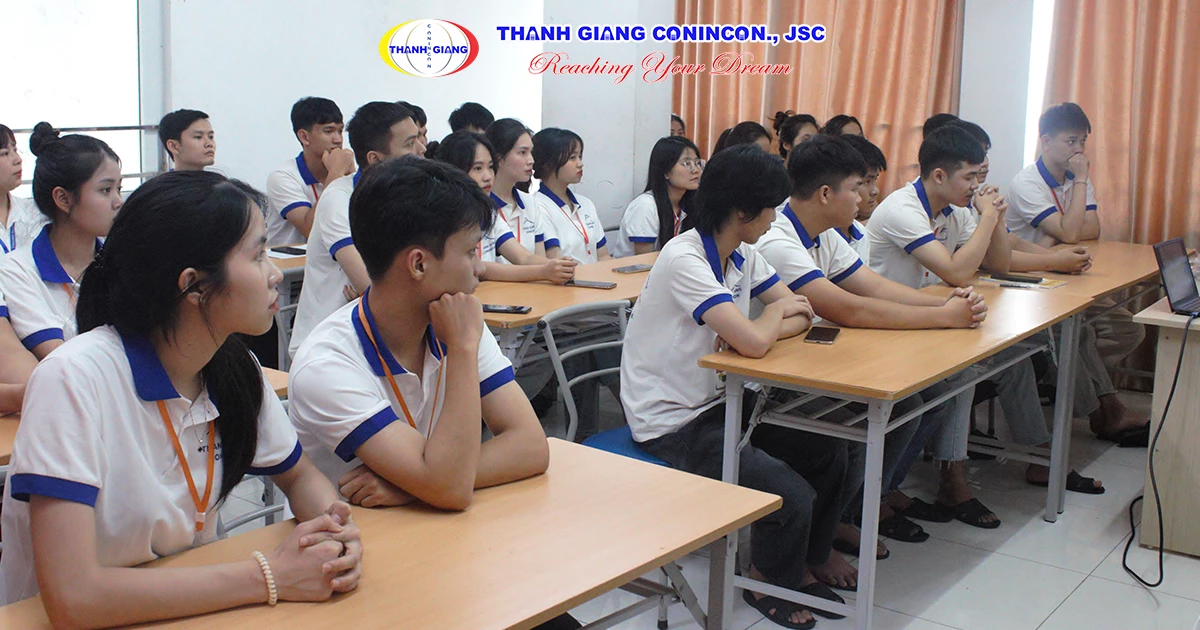
Make language learning relevant to the workplace
Everyday workplace communication deserves attention alongside technical knowledge. Useful practice can include asking for clarification, confirming a task and explaining that something is unclear.
Short role-play activities can connect vocabulary with situations people recognise. A learner might practise introducing themselves to a supervisor, locating an item or repeating an instruction in their own words.
Connect preparation with the first working week
Preparation before departure and induction at the employer’s site should complement each other. Employers still need to explain their own equipment, procedures and workplace requirements when people arrive.
A simple handover checklist can record:
-
The topics already introduced during preparation.
-
The tasks requiring further demonstration at the workplace.
-
The person available to answer questions during the first week.